Introduction
The family entertainment industry offers exciting opportunities for entrepreneurs who want to develop businesses around recreation, physical activity, and social experiences. Indoor play centers are particularly attractive because they provide children with an environment where they can enjoy different activities regardless of outdoor weather conditions.
However, building a successful entertainment business requires more than installing colorful slides and climbing structures. Owners must understand customer expectations, choose appropriate attractions, develop an efficient facility layout, and create services that encourage repeat visits.
A carefully planned indoor play center can serve as a destination for everyday family outings, birthday celebrations, school activities, and private events.
Understanding What Families Expect From Indoor Play Centers
Parents generally look for entertainment venues that offer convenience, engaging activities, and an environment suitable for their children’s age groups.
Children, meanwhile, want variety. They enjoy discovering different attractions, overcoming challenges, and participating in activities with friends.
These expectations should guide the development of the entire facility.
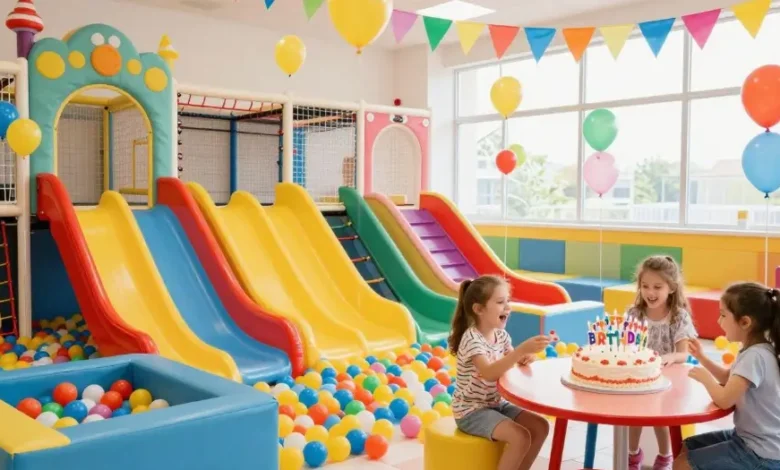
A modern play center can include soft play structures, climbing frames, slides, ball pools, obstacle courses, interactive games, and themed activity zones.
The combination of attractions should reflect the intended customer base. A facility targeting preschool children will have different requirements from a large entertainment center designed for school-aged children and teenagers.
Consulting an established Indoor Playground Manufacturer can help business owners explore equipment categories, customization possibilities, and layouts that suit their commercial properties.
Selecting Attractions That Encourage Repeat Visits
One of the challenges of operating a family entertainment business is maintaining customer interest after the first visit.
If children find the same limited activities every time they arrive, they may eventually look for alternative destinations.
Offering a mixture of attractions can create a more engaging experience. For example, climbing activities can be combined with slides, tunnels, balance challenges, and interactive play features.
Themed zones can also make different sections feel distinctive. A jungle adventure area, a colorful fantasy playground, and an interactive activity section can each provide a different experience.
Operators should also consider periodically introducing new activities or organizing special events. Seasonal decorations, themed celebrations, and group competitions can give returning visitors something different to enjoy.
The objective is not necessarily to install the largest number of attractions but to create a balanced selection that serves the interests of the target audience.
Making the Most of Commercial Floor Space
Commercial rental costs can represent a significant portion of an entertainment center’s operating expenses. For this reason, efficient space utilization is an important part of business planning.
Start by examining the dimensions of the property and identifying areas that cannot be used for equipment. These may include structural columns, utility spaces, emergency exits, and building access routes.
After establishing the usable area, divide the facility into functional sections.
A practical arrangement might include:
- Reception and ticketing facilities.
- Dedicated toddler play areas.
- Main playground structures.
- Adventure and climbing attractions.
- Parent seating and observation areas.
- Birthday party rooms.
- Storage and staff facilities.
The layout should allow visitors to move comfortably between different attractions without creating unnecessary congestion.
A professional equipment supplier can help develop a customized arrangement based on the actual building measurements.
Considering Trampoline Parks as a Business Opportunity
Trampoline attractions have become an interesting option for entrepreneurs developing entertainment venues that appeal to older children, teenagers, and families.
Unlike conventional playground structures, trampoline parks concentrate on jumping activities and movement-based challenges.
A commercial facility may feature interconnected jumping beds, foam pits, basketball trampoline areas, obstacle challenges, and other recreational features.
These attractions can also create opportunities for organized activities, group bookings, and birthday packages.
Before investing, business owners should evaluate the property’s ceiling height, available floor area, structural conditions, and expected customer capacity.
Partnering with a specialist Trampoline Park Equipment Manufacturer can help investors compare equipment configurations and understand the requirements of different trampoline park concepts.
KanbeiPlay provides dedicated trampoline park equipment solutions that businesses can explore when developing a new recreational venue or expanding an existing entertainment facility.
The equipment arrangement should be selected according to the project’s intended visitors, building characteristics, and operational plans.
Creating Revenue Opportunities Beyond General Admission
A profitable entertainment center should consider different ways to generate income rather than depending entirely on standard admission tickets.
Birthday celebrations are a common opportunity because families often look for convenient venues where children can enjoy activities with their friends.
Operators can develop packages that include play access, reserved party spaces, decorations, and refreshments.
School visits and organized group sessions can provide additional bookings during quieter periods. These activities can be arranged with suitable supervision and scheduling procedures.
Membership programs may also encourage repeat visits. For example, customers could purchase packages offering multiple visits within a specified period.
Private events and seasonal celebrations can further diversify the business model.
Each additional service should be evaluated according to its operating costs, staff requirements, and potential customer demand.
Developing a Strong Visual Identity
The appearance of an entertainment center can influence how customers perceive the business.
A distinctive theme makes a facility more recognizable and can create a memorable experience for visitors.
Popular design directions include adventure jungles, colorful fantasy worlds, underwater environments, space exploration, and modern interactive playgrounds.
The theme should be reflected in the equipment, wall graphics, lighting, signs, and decorative features.
It is also worth creating attractive areas where parents can take photographs of their children. These spaces may encourage visitors to share their experiences on social media, providing additional visibility for the business.
However, appearance should never take priority over practical requirements. Decorative elements must be suitable for the intended environment and should not interfere with equipment operation or supervision.
Maintaining Equipment and Operational Standards
Equipment maintenance is an ongoing responsibility for every commercial playground operator.
Daily visual checks can help identify obvious problems, while more detailed inspections should follow the manufacturer’s recommendations and applicable local requirements.
Staff should be trained to recognize damaged padding, loose fittings, worn surfaces, and other conditions requiring attention.
Cleaning schedules are equally important. High-contact surfaces and frequently used play areas need appropriate cleaning procedures.
Business owners should maintain written records of inspections, maintenance work, and repairs.
Before purchasing equipment, discuss warranty conditions, replacement components, technical assistance, and maintenance documentation with the manufacturer.
These arrangements can make equipment management more straightforward after the facility begins operating.
Marketing an Indoor Entertainment Business
Even an attractive facility needs an effective marketing strategy to reach its potential customers.
Local search visibility is particularly important because families often look for children’s activities and entertainment venues within their surrounding areas.
A professional website should provide essential information such as location, opening hours, admission prices, available activities, age restrictions, and booking options.
Social media can be used to share photographs, promotional offers, birthday packages, and information about upcoming events.
Partnerships with schools, childcare centers, community organizations, and local businesses may also help introduce the venue to new audiences.
Encouraging genuine customer reviews can strengthen the business’s online reputation and help prospective visitors understand what the facility offers.
Planning the Investment Carefully
Before beginning construction, prepare a detailed project budget.
Include equipment costs, property expenses, interior development, transportation, installation, utilities, staff salaries, insurance, marketing, and maintenance.
Request itemized quotations from manufacturers so you can compare different proposals accurately.
It is also important to establish realistic opening timelines. Manufacturing, international shipping, building preparation, and equipment installation can all influence the project schedule.
Maintain sufficient working capital to cover operating expenses during the early stages of the business.
A financially realistic plan is more useful than relying on assumptions about immediate customer demand.
Conclusion
Indoor play centers can offer an engaging business opportunity when they combine appropriate attractions with efficient management and a strong understanding of family expectations.
The right equipment selection, thoughtful layout, birthday packages, group activities, and effective marketing can help create a destination that customers enjoy visiting repeatedly.
Whether establishing a traditional children’s playground or introducing a dedicated trampoline park, entrepreneurs should focus on long-term functionality, suitable equipment, and responsible operations.
Careful planning and collaboration with an experienced manufacturing partner can provide a solid starting point for developing a successful family entertainment destination.